Why the Birmingham Clean Air Zone is a crucial first step
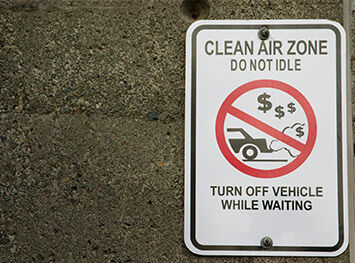
The is a ���necessary action��� to help create a healthier city, but a more joined-up approach is needed, according to leading researcher Anastasia Nikologianni.
Clean air ��� a step forward in the right direction
Anastasia, part of the Critical Artistic Thinking in Design (CATiD) research hub, has chaired numerous events on the climate crisis and sustainability, including a recent festival organised by the Landscape Institute on greener recovery.
With air pollution contributing to over 900 deaths per year, Anastasia believes that the CAZ will go a long way to addressing the environmental and health challenges we face.
���It���s a necessary action,��� Anastasia says. ���It is part of Birmingham���s Route to Zero action plan, as well as the Government���s plans for cleaner air. It���s a step forward in the right direction.���
More to be done
While the CAZ is a ���great step ahead���, Anastasia feels it cannot be the only medium used to regenerate Birmingham.
���It needs to fit with a greater approach for the city that allows commuters and residents to use alternative ways to travel towards and out of the city centre. We still need a holistic approach that will build a greater vision for the city and the region.���
Anastasia is currently working on a future vision for Birmingham within the CATiD hub, the National Park for the West Midlands (WMNP), which has been formally recognised by the West Midlands Combined Authority as a vital tool in greener recovery.
���My view is that a close collaboration with the city and the region can have remarkable and unique results,��� she says.
���The WMNP lab will build and support the creation of an overall vision for our region where necessary actions, such as the CAZ, can be implemented in the right way.���
To be truly successful, other actions relating to the climate crisis need to be addressed, according to Anastasia.
���Transport, energy, housing, waste and more are all significant aspects of a sustainable city. These elements need to be seen as a whole and not as individual areas that are dealt with separately.
���Often in the pressure to make something happen and meet regulations, we only look at numbers. For a city to be truly sustainable, the decision-making process needs to change. Policy needs to protect these new and often hard-to-understand asks, such as quality of space and quality of life.���
Start simple
Anastasia believes all of us can do something to make a difference to tackle the climate crisis.
���Sometimes we think just being one person means we cannot do anything, but that���s not true,��� she says. ���Yes, we need to the top-down approaches that will be implemented at a national, regional and city level, but the bottom-up actions are necessary, too.���
Starting with the simple things, Anastasia believes, will be crucial.
���Take a moment to understand what your carbon footprint is, how you can reduce it, and start introducing small behavioural changes in your daily life,��� she says.
���That might be turning your lights off, getting your own water bottle, using alternative transport or volunteering in your neighbourhood.���
Find out more information about the impact of air pollution on Birmingham - and the steps being taken towards cleaner air - by watching the video below (filmed and uploaded by Birmingham City Council).��